If you landed here looking for The Skarnivals and “Torsion Mundial,” the fastest way into the project is to listen for movement: collective energy, hook-first writing, and the moment a song turns a room into a chorus.
Most readers who search for this title want to answer the same practical questions. What kind of release energy does the name suggest? Which musical details matter on a first listen? How do you tell whether the material is likely to work on stage as well as on record? Where can you keep tracking similar releases across the Galician scene?
A useful scene note does not need exaggerated claims. It needs a clear route from a project name to a better listening experience. That means focusing on rhythm, arrangement, crowd response, and the details that help people decide whether to keep following a band.
This post turns that search into something usable: a simple listening checklist, a few crowd-read cues, and direct paths to Novas, the public blog index, and the site’s performance-led coverage.
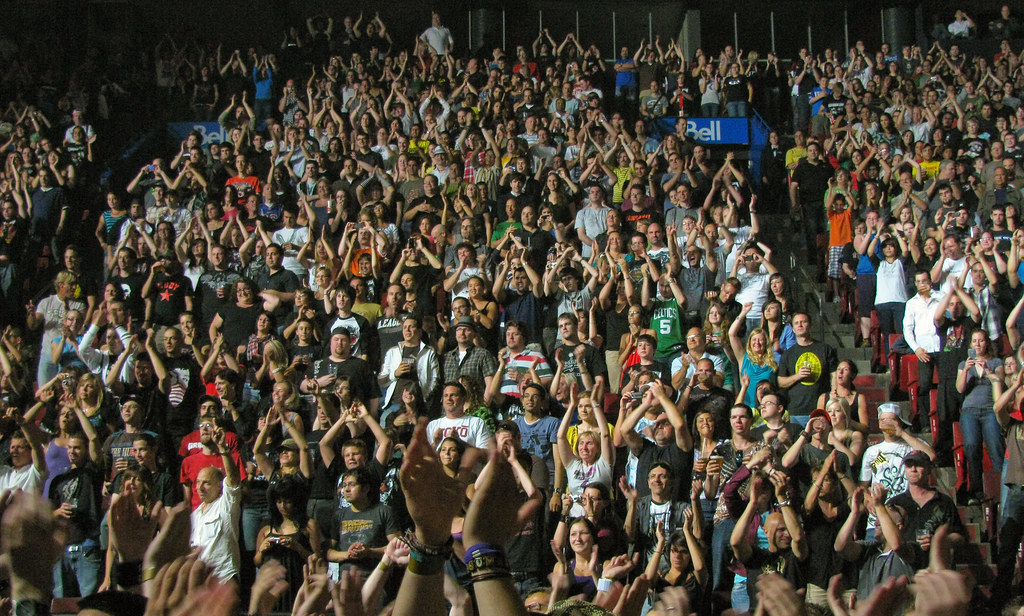
High-energy releases usually make sense fastest when you picture how the songs behave in a room full of people, not just in headphones.
What to listen for first
When a title like “Torsion Mundial” appears, the strongest starting point is not genre labelling for its own sake. It is how the songs move. A project earns repeat plays when the pulse is immediate, the transitions are clean, and the band knows exactly when to let the crowd carry part of the weight.
- Rhythm section discipline: the low end and drums have to make the faster sections feel inevitable instead of messy.
- Hook placement: the best choruses arrive early enough to reward first-time listeners.
- Section contrast: breakdowns, horn lifts, or vocal switches should create release, not just volume.
- Sing-back potential: if the line is memorable, the audience usually tells you before the press copy does.
Why crowd reaction matters
Some projects are studio-first. Others are validated by the room almost immediately. For a name with this much motion in it, the crowd test matters. You can often tell whether the material is landing by watching how quickly hands go up, whether the chorus returns without prompting, and whether the energy carries through the second half of the set instead of peaking too early.
That is also why Guieiro keeps performance coverage visible. A good session or live clip often explains more than a short announcement can, especially when people are still figuring out how a release feels in practice.
A simple checklist for following the project
If you are tracking this release path or similar artists, keep the next steps basic and consistent.
- Check whether the newest announcement is about a recording, a video, or a confirmed live date.
- Watch for set footage or rehearsal-room clips that show how the songs breathe outside the studio.
- Use Novas when you need short updates and the blog when you want the longer context.
- If you are promoting a related date or release, send the details through the contact page so visitors get a clean summary instead of scattered fragments.
Keep the signal clear
The strongest music coverage is specific, readable, and easy to verify. If you have a release note, a live clip, or a date connected to this corner of the scene, send it through Guieiro’s contact page so it can be published with enough context to help the next listener.