Music has remained a powerful force in social movements because it does something rare: it carries ideas and emotion at the same time. From civil rights hymns to protest chants, from anti-war folk songs to modern social media soundtracks, music helps people gather, remember, and act.
If you are interested in how music keeps shaping public life, keep paying attention to the songs people reach for when words alone are not enough. That is usually where the interesting history is hiding.
Back to the homepage or explore more on the blog index.
Social media has turned local protest music into portable culture. A chant recorded on a phone can become a clip, then a remix, then a symbol. That speed can be helpful, but it also means context matters. A catchy chorus without the cause behind it can turn into empty branding very quickly — and nobody needs more of that in the world.
The smartest use of music online is the same as offline: pair the feeling with a real message. If people hear a song and know what it stands for, the music keeps doing work long after the original post has vanished into the scroll hole.
Conclusion
Music has remained a powerful force in social movements because it does something rare: it carries ideas and emotion at the same time. From civil rights hymns to protest chants, from anti-war folk songs to modern social media soundtracks, music helps people gather, remember, and act.
If you are interested in how music keeps shaping public life, keep paying attention to the songs people reach for when words alone are not enough. That is usually where the interesting history is hiding.
Back to the homepage or explore more on the blog index.
It also helps people remember what they are fighting for. A speech can be forgotten. A slogan can fade. But a melody can stick around like a tune you accidentally hum while making tea for the rest of the day.
Music festivals and benefit concerts show this power in a different setting. They can raise funds, gather attention, and create a temporary community around a shared cause. Even outside formal protest, the message is the same: people feel less alone when they are singing the same thing at the same time.
The role of social media in spreading movement music
Social media has turned local protest music into portable culture. A chant recorded on a phone can become a clip, then a remix, then a symbol. That speed can be helpful, but it also means context matters. A catchy chorus without the cause behind it can turn into empty branding very quickly — and nobody needs more of that in the world.
The smartest use of music online is the same as offline: pair the feeling with a real message. If people hear a song and know what it stands for, the music keeps doing work long after the original post has vanished into the scroll hole.
Conclusion
Music has remained a powerful force in social movements because it does something rare: it carries ideas and emotion at the same time. From civil rights hymns to protest chants, from anti-war folk songs to modern social media soundtracks, music helps people gather, remember, and act.
If you are interested in how music keeps shaping public life, keep paying attention to the songs people reach for when words alone are not enough. That is usually where the interesting history is hiding.
Back to the homepage or explore more on the blog index.
Music works in movements because it lowers the barrier to participation. You do not need to be an expert to sing a refrain. You do not need a policy degree to clap on the beat. You just need to show up. That matters, because a movement is often only as strong as the number of ordinary people who feel like they belong inside it.
It also helps people remember what they are fighting for. A speech can be forgotten. A slogan can fade. But a melody can stick around like a tune you accidentally hum while making tea for the rest of the day.
Music festivals and benefit concerts show this power in a different setting. They can raise funds, gather attention, and create a temporary community around a shared cause. Even outside formal protest, the message is the same: people feel less alone when they are singing the same thing at the same time.
The role of social media in spreading movement music
Social media has turned local protest music into portable culture. A chant recorded on a phone can become a clip, then a remix, then a symbol. That speed can be helpful, but it also means context matters. A catchy chorus without the cause behind it can turn into empty branding very quickly — and nobody needs more of that in the world.
The smartest use of music online is the same as offline: pair the feeling with a real message. If people hear a song and know what it stands for, the music keeps doing work long after the original post has vanished into the scroll hole.
Conclusion
Music has remained a powerful force in social movements because it does something rare: it carries ideas and emotion at the same time. From civil rights hymns to protest chants, from anti-war folk songs to modern social media soundtracks, music helps people gather, remember, and act.
If you are interested in how music keeps shaping public life, keep paying attention to the songs people reach for when words alone are not enough. That is usually where the interesting history is hiding.
Back to the homepage or explore more on the blog index.
Climate activism has its own soundtrack too. Youth-led marches and environmental rallies often use upbeat, singable songs to keep energy high and make long days feel less like a slog. Music is not just background noise here — it is pacing, morale, and message all at once.
If you are curious about how major music industries track songs and releases in the streaming era, the IFPI global charts are a useful reminder that music now travels through platforms, data, and fan communities very quickly.
Why music unites people so effectively
Music works in movements because it lowers the barrier to participation. You do not need to be an expert to sing a refrain. You do not need a policy degree to clap on the beat. You just need to show up. That matters, because a movement is often only as strong as the number of ordinary people who feel like they belong inside it.
It also helps people remember what they are fighting for. A speech can be forgotten. A slogan can fade. But a melody can stick around like a tune you accidentally hum while making tea for the rest of the day.
Music festivals and benefit concerts show this power in a different setting. They can raise funds, gather attention, and create a temporary community around a shared cause. Even outside formal protest, the message is the same: people feel less alone when they are singing the same thing at the same time.
The role of social media in spreading movement music
Social media has turned local protest music into portable culture. A chant recorded on a phone can become a clip, then a remix, then a symbol. That speed can be helpful, but it also means context matters. A catchy chorus without the cause behind it can turn into empty branding very quickly — and nobody needs more of that in the world.
The smartest use of music online is the same as offline: pair the feeling with a real message. If people hear a song and know what it stands for, the music keeps doing work long after the original post has vanished into the scroll hole.
Conclusion
Music has remained a powerful force in social movements because it does something rare: it carries ideas and emotion at the same time. From civil rights hymns to protest chants, from anti-war folk songs to modern social media soundtracks, music helps people gather, remember, and act.
If you are interested in how music keeps shaping public life, keep paying attention to the songs people reach for when words alone are not enough. That is usually where the interesting history is hiding.
Back to the homepage or explore more on the blog index.
Black Lives Matter protests often included hip-hop, gospel, soul, and call-and-response chanting. Those styles fit because they are already built for participation. A crowd does not just listen; it answers back.
Climate activism has its own soundtrack too. Youth-led marches and environmental rallies often use upbeat, singable songs to keep energy high and make long days feel less like a slog. Music is not just background noise here — it is pacing, morale, and message all at once.
If you are curious about how major music industries track songs and releases in the streaming era, the IFPI global charts are a useful reminder that music now travels through platforms, data, and fan communities very quickly.
Why music unites people so effectively
Music works in movements because it lowers the barrier to participation. You do not need to be an expert to sing a refrain. You do not need a policy degree to clap on the beat. You just need to show up. That matters, because a movement is often only as strong as the number of ordinary people who feel like they belong inside it.
It also helps people remember what they are fighting for. A speech can be forgotten. A slogan can fade. But a melody can stick around like a tune you accidentally hum while making tea for the rest of the day.
Music festivals and benefit concerts show this power in a different setting. They can raise funds, gather attention, and create a temporary community around a shared cause. Even outside formal protest, the message is the same: people feel less alone when they are singing the same thing at the same time.
The role of social media in spreading movement music
Social media has turned local protest music into portable culture. A chant recorded on a phone can become a clip, then a remix, then a symbol. That speed can be helpful, but it also means context matters. A catchy chorus without the cause behind it can turn into empty branding very quickly — and nobody needs more of that in the world.
The smartest use of music online is the same as offline: pair the feeling with a real message. If people hear a song and know what it stands for, the music keeps doing work long after the original post has vanished into the scroll hole.
Conclusion
Music has remained a powerful force in social movements because it does something rare: it carries ideas and emotion at the same time. From civil rights hymns to protest chants, from anti-war folk songs to modern social media soundtracks, music helps people gather, remember, and act.
If you are interested in how music keeps shaping public life, keep paying attention to the songs people reach for when words alone are not enough. That is usually where the interesting history is hiding.
Back to the homepage or explore more on the blog index.
Today’s movements still rely on music, but the delivery system has changed. Instead of waiting for a record label or a radio station to spread the message, a chant, remix, or performance clip can move across social media in minutes. That means a song can become a rallying cry before the coffee even cools.
Black Lives Matter protests often included hip-hop, gospel, soul, and call-and-response chanting. Those styles fit because they are already built for participation. A crowd does not just listen; it answers back.
Climate activism has its own soundtrack too. Youth-led marches and environmental rallies often use upbeat, singable songs to keep energy high and make long days feel less like a slog. Music is not just background noise here — it is pacing, morale, and message all at once.
If you are curious about how major music industries track songs and releases in the streaming era, the IFPI global charts are a useful reminder that music now travels through platforms, data, and fan communities very quickly.
Why music unites people so effectively
Music works in movements because it lowers the barrier to participation. You do not need to be an expert to sing a refrain. You do not need a policy degree to clap on the beat. You just need to show up. That matters, because a movement is often only as strong as the number of ordinary people who feel like they belong inside it.
It also helps people remember what they are fighting for. A speech can be forgotten. A slogan can fade. But a melody can stick around like a tune you accidentally hum while making tea for the rest of the day.
Music festivals and benefit concerts show this power in a different setting. They can raise funds, gather attention, and create a temporary community around a shared cause. Even outside formal protest, the message is the same: people feel less alone when they are singing the same thing at the same time.
The role of social media in spreading movement music
Social media has turned local protest music into portable culture. A chant recorded on a phone can become a clip, then a remix, then a symbol. That speed can be helpful, but it also means context matters. A catchy chorus without the cause behind it can turn into empty branding very quickly — and nobody needs more of that in the world.
The smartest use of music online is the same as offline: pair the feeling with a real message. If people hear a song and know what it stands for, the music keeps doing work long after the original post has vanished into the scroll hole.
Conclusion
Music has remained a powerful force in social movements because it does something rare: it carries ideas and emotion at the same time. From civil rights hymns to protest chants, from anti-war folk songs to modern social media soundtracks, music helps people gather, remember, and act.
If you are interested in how music keeps shaping public life, keep paying attention to the songs people reach for when words alone are not enough. That is usually where the interesting history is hiding.
Back to the homepage or explore more on the blog index.
The Britannica entry on protest songs is a useful quick reference if you want the bigger picture without getting lost in academic thickets.
How modern movements use music now
Today’s movements still rely on music, but the delivery system has changed. Instead of waiting for a record label or a radio station to spread the message, a chant, remix, or performance clip can move across social media in minutes. That means a song can become a rallying cry before the coffee even cools.
Black Lives Matter protests often included hip-hop, gospel, soul, and call-and-response chanting. Those styles fit because they are already built for participation. A crowd does not just listen; it answers back.
Climate activism has its own soundtrack too. Youth-led marches and environmental rallies often use upbeat, singable songs to keep energy high and make long days feel less like a slog. Music is not just background noise here — it is pacing, morale, and message all at once.
If you are curious about how major music industries track songs and releases in the streaming era, the IFPI global charts are a useful reminder that music now travels through platforms, data, and fan communities very quickly.
Why music unites people so effectively
Music works in movements because it lowers the barrier to participation. You do not need to be an expert to sing a refrain. You do not need a policy degree to clap on the beat. You just need to show up. That matters, because a movement is often only as strong as the number of ordinary people who feel like they belong inside it.
It also helps people remember what they are fighting for. A speech can be forgotten. A slogan can fade. But a melody can stick around like a tune you accidentally hum while making tea for the rest of the day.
Music festivals and benefit concerts show this power in a different setting. They can raise funds, gather attention, and create a temporary community around a shared cause. Even outside formal protest, the message is the same: people feel less alone when they are singing the same thing at the same time.
The role of social media in spreading movement music
Social media has turned local protest music into portable culture. A chant recorded on a phone can become a clip, then a remix, then a symbol. That speed can be helpful, but it also means context matters. A catchy chorus without the cause behind it can turn into empty branding very quickly — and nobody needs more of that in the world.
The smartest use of music online is the same as offline: pair the feeling with a real message. If people hear a song and know what it stands for, the music keeps doing work long after the original post has vanished into the scroll hole.
Conclusion
Music has remained a powerful force in social movements because it does something rare: it carries ideas and emotion at the same time. From civil rights hymns to protest chants, from anti-war folk songs to modern social media soundtracks, music helps people gather, remember, and act.
If you are interested in how music keeps shaping public life, keep paying attention to the songs people reach for when words alone are not enough. That is usually where the interesting history is hiding.
Back to the homepage or explore more on the blog index.
During the U.S. Civil Rights Movement, songs like We Shall Overcome became more than music. They became a way to keep people steady in tense, dangerous moments. The lyrics were simple enough for everyone to join in, which mattered because unity is hard work when fear is in the room.
Anti-war movements also leaned heavily on folk music. Artists such as Bob Dylan and Joan Baez used acoustic songs to question authority and pull public debate into a more human register. That was the trick: politics can sound abstract, but a song lands in the body.
- Civil rights: singing helped protesters stay coordinated and hopeful.
- Anti-war activism: folk songs made large political debates feel personal and immediate.
- Labor movements: collective singing gave workers a shared rhythm and identity.
The Britannica entry on protest songs is a useful quick reference if you want the bigger picture without getting lost in academic thickets.
How modern movements use music now
Today’s movements still rely on music, but the delivery system has changed. Instead of waiting for a record label or a radio station to spread the message, a chant, remix, or performance clip can move across social media in minutes. That means a song can become a rallying cry before the coffee even cools.
Black Lives Matter protests often included hip-hop, gospel, soul, and call-and-response chanting. Those styles fit because they are already built for participation. A crowd does not just listen; it answers back.
Climate activism has its own soundtrack too. Youth-led marches and environmental rallies often use upbeat, singable songs to keep energy high and make long days feel less like a slog. Music is not just background noise here — it is pacing, morale, and message all at once.
If you are curious about how major music industries track songs and releases in the streaming era, the IFPI global charts are a useful reminder that music now travels through platforms, data, and fan communities very quickly.
Why music unites people so effectively
Music works in movements because it lowers the barrier to participation. You do not need to be an expert to sing a refrain. You do not need a policy degree to clap on the beat. You just need to show up. That matters, because a movement is often only as strong as the number of ordinary people who feel like they belong inside it.
It also helps people remember what they are fighting for. A speech can be forgotten. A slogan can fade. But a melody can stick around like a tune you accidentally hum while making tea for the rest of the day.
Music festivals and benefit concerts show this power in a different setting. They can raise funds, gather attention, and create a temporary community around a shared cause. Even outside formal protest, the message is the same: people feel less alone when they are singing the same thing at the same time.
The role of social media in spreading movement music
Social media has turned local protest music into portable culture. A chant recorded on a phone can become a clip, then a remix, then a symbol. That speed can be helpful, but it also means context matters. A catchy chorus without the cause behind it can turn into empty branding very quickly — and nobody needs more of that in the world.
The smartest use of music online is the same as offline: pair the feeling with a real message. If people hear a song and know what it stands for, the music keeps doing work long after the original post has vanished into the scroll hole.
Conclusion
Music has remained a powerful force in social movements because it does something rare: it carries ideas and emotion at the same time. From civil rights hymns to protest chants, from anti-war folk songs to modern social media soundtracks, music helps people gather, remember, and act.
If you are interested in how music keeps shaping public life, keep paying attention to the songs people reach for when words alone are not enough. That is usually where the interesting history is hiding.
Back to the homepage or explore more on the blog index.
If you want a broad historical overview, protest songs have been used for generations across labor, civil rights, anti-war, and democracy movements. The format changes, but the basic idea stays stubbornly useful.
For readers who want a more formal cultural history, the Library of Congress has major collections showing how songs have traveled through U.S. public life. It is less flashy than a stadium chorus, but the archive tells the same story: people have always sung their politics.
Historical examples that still resonate
During the U.S. Civil Rights Movement, songs like We Shall Overcome became more than music. They became a way to keep people steady in tense, dangerous moments. The lyrics were simple enough for everyone to join in, which mattered because unity is hard work when fear is in the room.
Anti-war movements also leaned heavily on folk music. Artists such as Bob Dylan and Joan Baez used acoustic songs to question authority and pull public debate into a more human register. That was the trick: politics can sound abstract, but a song lands in the body.
- Civil rights: singing helped protesters stay coordinated and hopeful.
- Anti-war activism: folk songs made large political debates feel personal and immediate.
- Labor movements: collective singing gave workers a shared rhythm and identity.
The Britannica entry on protest songs is a useful quick reference if you want the bigger picture without getting lost in academic thickets.
How modern movements use music now
Today’s movements still rely on music, but the delivery system has changed. Instead of waiting for a record label or a radio station to spread the message, a chant, remix, or performance clip can move across social media in minutes. That means a song can become a rallying cry before the coffee even cools.
Black Lives Matter protests often included hip-hop, gospel, soul, and call-and-response chanting. Those styles fit because they are already built for participation. A crowd does not just listen; it answers back.
Climate activism has its own soundtrack too. Youth-led marches and environmental rallies often use upbeat, singable songs to keep energy high and make long days feel less like a slog. Music is not just background noise here — it is pacing, morale, and message all at once.
If you are curious about how major music industries track songs and releases in the streaming era, the IFPI global charts are a useful reminder that music now travels through platforms, data, and fan communities very quickly.
Why music unites people so effectively
Music works in movements because it lowers the barrier to participation. You do not need to be an expert to sing a refrain. You do not need a policy degree to clap on the beat. You just need to show up. That matters, because a movement is often only as strong as the number of ordinary people who feel like they belong inside it.
It also helps people remember what they are fighting for. A speech can be forgotten. A slogan can fade. But a melody can stick around like a tune you accidentally hum while making tea for the rest of the day.
Music festivals and benefit concerts show this power in a different setting. They can raise funds, gather attention, and create a temporary community around a shared cause. Even outside formal protest, the message is the same: people feel less alone when they are singing the same thing at the same time.
The role of social media in spreading movement music
Social media has turned local protest music into portable culture. A chant recorded on a phone can become a clip, then a remix, then a symbol. That speed can be helpful, but it also means context matters. A catchy chorus without the cause behind it can turn into empty branding very quickly — and nobody needs more of that in the world.
The smartest use of music online is the same as offline: pair the feeling with a real message. If people hear a song and know what it stands for, the music keeps doing work long after the original post has vanished into the scroll hole.
Conclusion
Music has remained a powerful force in social movements because it does something rare: it carries ideas and emotion at the same time. From civil rights hymns to protest chants, from anti-war folk songs to modern social media soundtracks, music helps people gather, remember, and act.
If you are interested in how music keeps shaping public life, keep paying attention to the songs people reach for when words alone are not enough. That is usually where the interesting history is hiding.
Back to the homepage or explore more on the blog index.
Music activism is simple at heart: people use songs, performances, and shared listening to support a cause. Sometimes that means writing a protest song. Sometimes it means singing together at a march. Sometimes it is an artist using a stage to point attention at injustice.
If you want a broad historical overview, protest songs have been used for generations across labor, civil rights, anti-war, and democracy movements. The format changes, but the basic idea stays stubbornly useful.
For readers who want a more formal cultural history, the Library of Congress has major collections showing how songs have traveled through U.S. public life. It is less flashy than a stadium chorus, but the archive tells the same story: people have always sung their politics.
Historical examples that still resonate
During the U.S. Civil Rights Movement, songs like We Shall Overcome became more than music. They became a way to keep people steady in tense, dangerous moments. The lyrics were simple enough for everyone to join in, which mattered because unity is hard work when fear is in the room.
Anti-war movements also leaned heavily on folk music. Artists such as Bob Dylan and Joan Baez used acoustic songs to question authority and pull public debate into a more human register. That was the trick: politics can sound abstract, but a song lands in the body.
- Civil rights: singing helped protesters stay coordinated and hopeful.
- Anti-war activism: folk songs made large political debates feel personal and immediate.
- Labor movements: collective singing gave workers a shared rhythm and identity.
The Britannica entry on protest songs is a useful quick reference if you want the bigger picture without getting lost in academic thickets.
How modern movements use music now
Today’s movements still rely on music, but the delivery system has changed. Instead of waiting for a record label or a radio station to spread the message, a chant, remix, or performance clip can move across social media in minutes. That means a song can become a rallying cry before the coffee even cools.
Black Lives Matter protests often included hip-hop, gospel, soul, and call-and-response chanting. Those styles fit because they are already built for participation. A crowd does not just listen; it answers back.
Climate activism has its own soundtrack too. Youth-led marches and environmental rallies often use upbeat, singable songs to keep energy high and make long days feel less like a slog. Music is not just background noise here — it is pacing, morale, and message all at once.
If you are curious about how major music industries track songs and releases in the streaming era, the IFPI global charts are a useful reminder that music now travels through platforms, data, and fan communities very quickly.
Why music unites people so effectively
Music works in movements because it lowers the barrier to participation. You do not need to be an expert to sing a refrain. You do not need a policy degree to clap on the beat. You just need to show up. That matters, because a movement is often only as strong as the number of ordinary people who feel like they belong inside it.
It also helps people remember what they are fighting for. A speech can be forgotten. A slogan can fade. But a melody can stick around like a tune you accidentally hum while making tea for the rest of the day.
Music festivals and benefit concerts show this power in a different setting. They can raise funds, gather attention, and create a temporary community around a shared cause. Even outside formal protest, the message is the same: people feel less alone when they are singing the same thing at the same time.
The role of social media in spreading movement music
Social media has turned local protest music into portable culture. A chant recorded on a phone can become a clip, then a remix, then a symbol. That speed can be helpful, but it also means context matters. A catchy chorus without the cause behind it can turn into empty branding very quickly — and nobody needs more of that in the world.
The smartest use of music online is the same as offline: pair the feeling with a real message. If people hear a song and know what it stands for, the music keeps doing work long after the original post has vanished into the scroll hole.
Conclusion
Music has remained a powerful force in social movements because it does something rare: it carries ideas and emotion at the same time. From civil rights hymns to protest chants, from anti-war folk songs to modern social media soundtracks, music helps people gather, remember, and act.
If you are interested in how music keeps shaping public life, keep paying attention to the songs people reach for when words alone are not enough. That is usually where the interesting history is hiding.
Back to the homepage or explore more on the blog index.
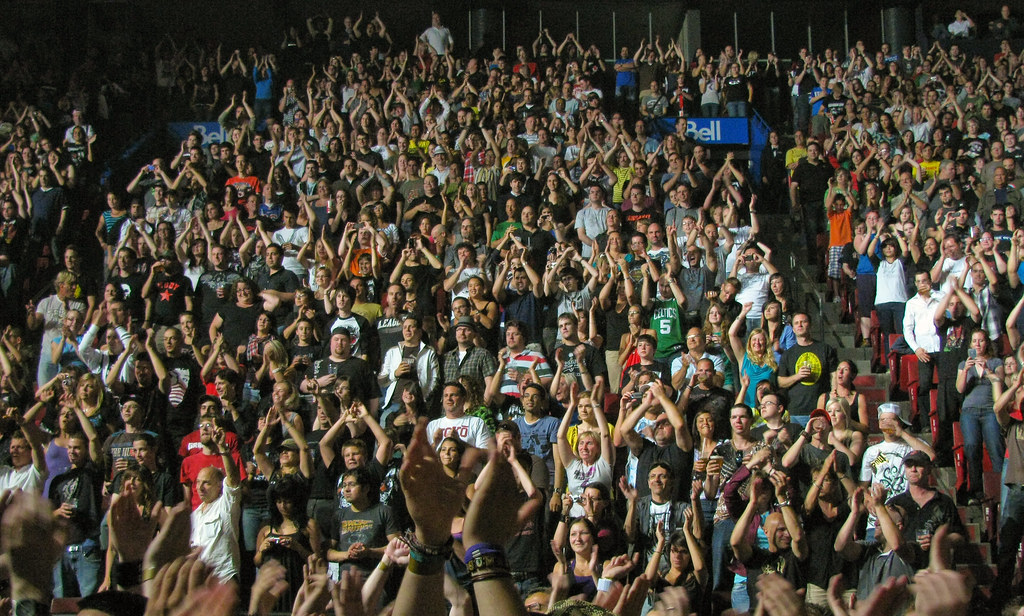
In social movements, music does two jobs at once: it helps people speak up and it helps them stay together. A protest chant can turn into a chorus. A chorus can turn into a memory. And once a movement has a sound, it becomes much harder to ignore.
What music activism actually means
Music activism is simple at heart: people use songs, performances, and shared listening to support a cause. Sometimes that means writing a protest song. Sometimes it means singing together at a march. Sometimes it is an artist using a stage to point attention at injustice.
If you want a broad historical overview, protest songs have been used for generations across labor, civil rights, anti-war, and democracy movements. The format changes, but the basic idea stays stubbornly useful.
For readers who want a more formal cultural history, the Library of Congress has major collections showing how songs have traveled through U.S. public life. It is less flashy than a stadium chorus, but the archive tells the same story: people have always sung their politics.
Historical examples that still resonate
During the U.S. Civil Rights Movement, songs like We Shall Overcome became more than music. They became a way to keep people steady in tense, dangerous moments. The lyrics were simple enough for everyone to join in, which mattered because unity is hard work when fear is in the room.
Anti-war movements also leaned heavily on folk music. Artists such as Bob Dylan and Joan Baez used acoustic songs to question authority and pull public debate into a more human register. That was the trick: politics can sound abstract, but a song lands in the body.
- Civil rights: singing helped protesters stay coordinated and hopeful.
- Anti-war activism: folk songs made large political debates feel personal and immediate.
- Labor movements: collective singing gave workers a shared rhythm and identity.
The Britannica entry on protest songs is a useful quick reference if you want the bigger picture without getting lost in academic thickets.
How modern movements use music now
Today’s movements still rely on music, but the delivery system has changed. Instead of waiting for a record label or a radio station to spread the message, a chant, remix, or performance clip can move across social media in minutes. That means a song can become a rallying cry before the coffee even cools.
Black Lives Matter protests often included hip-hop, gospel, soul, and call-and-response chanting. Those styles fit because they are already built for participation. A crowd does not just listen; it answers back.
Climate activism has its own soundtrack too. Youth-led marches and environmental rallies often use upbeat, singable songs to keep energy high and make long days feel less like a slog. Music is not just background noise here — it is pacing, morale, and message all at once.
If you are curious about how major music industries track songs and releases in the streaming era, the IFPI global charts are a useful reminder that music now travels through platforms, data, and fan communities very quickly.
Why music unites people so effectively
Music works in movements because it lowers the barrier to participation. You do not need to be an expert to sing a refrain. You do not need a policy degree to clap on the beat. You just need to show up. That matters, because a movement is often only as strong as the number of ordinary people who feel like they belong inside it.
It also helps people remember what they are fighting for. A speech can be forgotten. A slogan can fade. But a melody can stick around like a tune you accidentally hum while making tea for the rest of the day.
Music festivals and benefit concerts show this power in a different setting. They can raise funds, gather attention, and create a temporary community around a shared cause. Even outside formal protest, the message is the same: people feel less alone when they are singing the same thing at the same time.
The role of social media in spreading movement music
Social media has turned local protest music into portable culture. A chant recorded on a phone can become a clip, then a remix, then a symbol. That speed can be helpful, but it also means context matters. A catchy chorus without the cause behind it can turn into empty branding very quickly — and nobody needs more of that in the world.
The smartest use of music online is the same as offline: pair the feeling with a real message. If people hear a song and know what it stands for, the music keeps doing work long after the original post has vanished into the scroll hole.
Conclusion
Music has remained a powerful force in social movements because it does something rare: it carries ideas and emotion at the same time. From civil rights hymns to protest chants, from anti-war folk songs to modern social media soundtracks, music helps people gather, remember, and act.
If you are interested in how music keeps shaping public life, keep paying attention to the songs people reach for when words alone are not enough. That is usually where the interesting history is hiding.
Back to the homepage or explore more on the blog index.
Music has always had a talent for showing up where people are trying to change something. It is part megaphone, part glue, part emotional shortcut. One verse can say what a thousand pamphlets are trying to say after three coffees and a very long meeting.
In social movements, music does two jobs at once: it helps people speak up and it helps them stay together. A protest chant can turn into a chorus. A chorus can turn into a memory. And once a movement has a sound, it becomes much harder to ignore.
What music activism actually means
Music activism is simple at heart: people use songs, performances, and shared listening to support a cause. Sometimes that means writing a protest song. Sometimes it means singing together at a march. Sometimes it is an artist using a stage to point attention at injustice.
If you want a broad historical overview, protest songs have been used for generations across labor, civil rights, anti-war, and democracy movements. The format changes, but the basic idea stays stubbornly useful.
For readers who want a more formal cultural history, the Library of Congress has major collections showing how songs have traveled through U.S. public life. It is less flashy than a stadium chorus, but the archive tells the same story: people have always sung their politics.
Historical examples that still resonate
During the U.S. Civil Rights Movement, songs like We Shall Overcome became more than music. They became a way to keep people steady in tense, dangerous moments. The lyrics were simple enough for everyone to join in, which mattered because unity is hard work when fear is in the room.
Anti-war movements also leaned heavily on folk music. Artists such as Bob Dylan and Joan Baez used acoustic songs to question authority and pull public debate into a more human register. That was the trick: politics can sound abstract, but a song lands in the body.
- Civil rights: singing helped protesters stay coordinated and hopeful.
- Anti-war activism: folk songs made large political debates feel personal and immediate.
- Labor movements: collective singing gave workers a shared rhythm and identity.
The Britannica entry on protest songs is a useful quick reference if you want the bigger picture without getting lost in academic thickets.
How modern movements use music now
Today’s movements still rely on music, but the delivery system has changed. Instead of waiting for a record label or a radio station to spread the message, a chant, remix, or performance clip can move across social media in minutes. That means a song can become a rallying cry before the coffee even cools.
Black Lives Matter protests often included hip-hop, gospel, soul, and call-and-response chanting. Those styles fit because they are already built for participation. A crowd does not just listen; it answers back.
Climate activism has its own soundtrack too. Youth-led marches and environmental rallies often use upbeat, singable songs to keep energy high and make long days feel less like a slog. Music is not just background noise here — it is pacing, morale, and message all at once.
If you are curious about how major music industries track songs and releases in the streaming era, the IFPI global charts are a useful reminder that music now travels through platforms, data, and fan communities very quickly.
Why music unites people so effectively
Music works in movements because it lowers the barrier to participation. You do not need to be an expert to sing a refrain. You do not need a policy degree to clap on the beat. You just need to show up. That matters, because a movement is often only as strong as the number of ordinary people who feel like they belong inside it.
It also helps people remember what they are fighting for. A speech can be forgotten. A slogan can fade. But a melody can stick around like a tune you accidentally hum while making tea for the rest of the day.
Music festivals and benefit concerts show this power in a different setting. They can raise funds, gather attention, and create a temporary community around a shared cause. Even outside formal protest, the message is the same: people feel less alone when they are singing the same thing at the same time.
The role of social media in spreading movement music
Social media has turned local protest music into portable culture. A chant recorded on a phone can become a clip, then a remix, then a symbol. That speed can be helpful, but it also means context matters. A catchy chorus without the cause behind it can turn into empty branding very quickly — and nobody needs more of that in the world.
The smartest use of music online is the same as offline: pair the feeling with a real message. If people hear a song and know what it stands for, the music keeps doing work long after the original post has vanished into the scroll hole.
Conclusion
Music has remained a powerful force in social movements because it does something rare: it carries ideas and emotion at the same time. From civil rights hymns to protest chants, from anti-war folk songs to modern social media soundtracks, music helps people gather, remember, and act.
If you are interested in how music keeps shaping public life, keep paying attention to the songs people reach for when words alone are not enough. That is usually where the interesting history is hiding.
Back to the homepage or explore more on the blog index.