Why music updates are not all the same
In 2026, a headline about music can mean a lot of different things: a news story about an artist, a new single landing on streaming services, a tour announcement, a festival lineup, or an industry report. That mix matters because fans often treat every shiny banner like it is the same species of update. It is not. Some stories help you listen. Some help you plan. Some are just the industry clearing its throat.
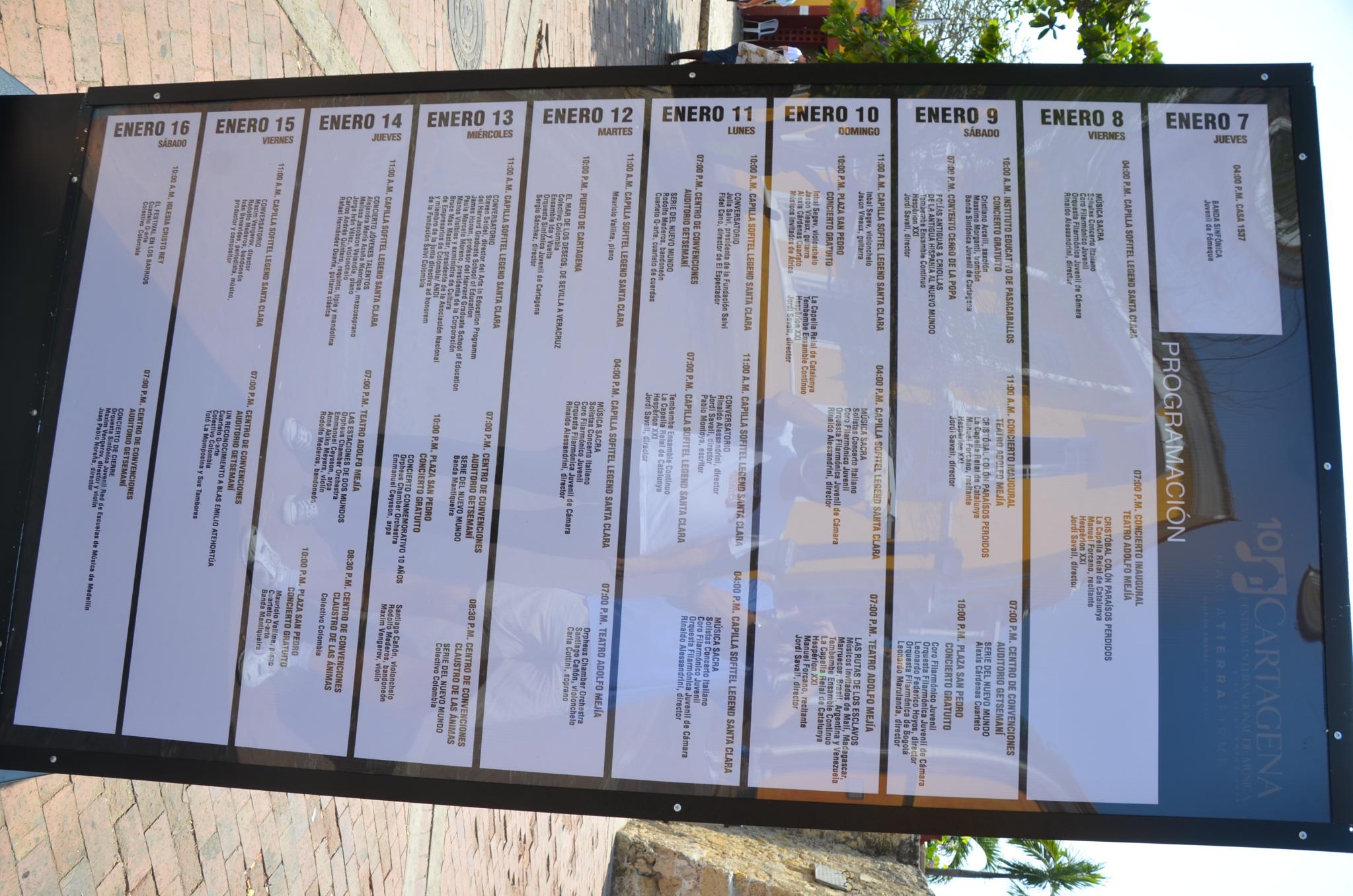
The easiest mental shortcut is this: news explains what happened, releases give you something to hear, and event announcements tell you where and when to show up. Pollstar’s live-music materials are useful here because they treat concerts and festivals as a separate category from recorded-music releases. That separation is the boring magic that keeps your calendar from becoming soup.
For a quick reference on recorded-music market trends, IFPI’s Global Music Report 2026 is a good example of the kind of industry source that focuses on the market itself rather than hype. Their global charts page also shows how consumption is tracked, which helps explain why release timing and format details matter more than ever.
What counts as a real release update in 2026
A real release update should answer the basic fan questions without making you play detective. Is it a single, album, deluxe edition, reissue, or platform-specific drop? Is there a date? Is it out everywhere or only on one service for a while? A post that says “new music soon” is a teaser. A post that says “single out Friday on all major platforms” is actionable.
Streaming still dominates the market, but physical formats have not vanished into a stylish mist. IFPI’s 2026 reporting shows a market that is still growing, with streaming leading and physical formats rebounding too. That means release announcements can now be built around different formats with different timing. A vinyl pre-order can arrive weeks before a digital drop, and a deluxe edition can appear after the original album has already done its main job.
For readers, the practical question is not “Is this exciting?” It is “Can I do something with this right now?” If you can pre-save it, pre-order it, add it to a calendar, or buy a ticket, you are probably looking at a real update. If you can only admire the tease, you are still in the fog machine.
How to tell whether a story is actionable for fans
Before you share or plan around a music headline, check four details:
- Date: Is there a confirmed release date, show date, or lineup announcement date?
- Format: Is it a single, LP, EP, deluxe edition, reissue, livestream, or festival?
- Region: Is it global, local, or limited to a platform or territory?
- Source: Does the post link to an artist page, label site, venue, or festival organizer?
That last one is doing a lot of work. Official pages are slower than rumor pages, but they are also less dramatic in the “oops, that was fake” sense. If you need a clean model for what trustworthy documentation looks like, the 2026 Pollstar media kit is a useful live-music industry reference, while IFPI’s copyright guidance is a reminder to verify what you are seeing before you repost it into the void.
Why streaming-era data changes the meaning of “release”
The word “release” used to be simpler. Now it can mean a staggered rollout across platforms, a regional drop, a video premiere, a pre-save campaign, or a physical edition that shows up later with bonus tracks and different artwork. That is why fans get tripped up: the headline is often announcing a campaign, not the whole product.
Think of it like a set list written by a committee. One person wants the vinyl. One wants Spotify. One wants the video premiere. The result is a release plan with multiple entrances. If you do not check the format, you may think you missed something when the truth is that the rollout simply has layers.
For Galicia and Spain, the same rule applies to local scenes as to international ones. A news post may point you to a broader artist update, while a separate page may announce a concert or festival date. If you want a local starting point, browse the news section, or compare it with older artist and event features like The Skarnivals and Torsion Mundial and Pulpino Viascon and Bravuboy. Those kinds of pages are useful because they show how a music story can be framed as coverage, not just a raw announcement.
How to verify a music update quickly
Use the same five-step check every time:
- Find the first source. Start with the artist, label, venue, or festival organizer.
- Look for the concrete detail. Date, venue, platform, region, or ticket link.
- Check whether the claim is specific. “Coming soon” is not the same as “out Friday.”
- Match the update to the category. Release news should not be treated like a tour date.
- Confirm the same fact in one more reliable place. The internet loves confidence. Facts prefer company.
If the claim only appears in reposts, cropped screenshots, or quote-tweet archaeology, slow down. The best habit is to treat anything important like a reservation: you need the booking details, not just the vibe. For a local navigation path on this site, you can also start from About to understand the editorial focus or use Contact if you have a tip or correction.
A simple checklist before you share or act on a headline
| Question | Why it matters |
|---|---|
| Who posted it first? | The original source is usually the most useful source. |
| Is there a date? | No date, no plan. Just glitter. |
| Is this a release, a news item, or a live event? | Each one answers a different fan question. |
| Does the page link to an official site? | Official pages reduce guesswork and typo-driven chaos. |
| Can you verify it elsewhere? | One source is a lead; two sources are a pattern. |
A quick checklist will not make the music better, but it will save you from acting on a headline that was written to be shared first and understood later. That is a very modern problem, and unfortunately the interface is still kind of rude.
Where to follow reliable music updates
For dependable music reading in 2026, make a short list and stick to it: artist websites, label announcements, festival organizers, venue calendars, and established industry bodies. If you want the broadest useful mix, follow local news pages for scene context, official event pages for dates, and industry sources for market-level reporting. That gives you the map and the weather.
On Guieiro Musical, the practical path is simple: check news for updates, use the site’s event and video coverage when you want something you can actually watch or attend, and keep the official source handy before you make plans. Music news should help you decide. New releases should help you listen. Festival announcements should help you show up on time with shoes you can regret later.
In a streaming-heavy market, the best fans are not the loudest rumor engines. They are the ones who know the difference between a headline, a release, and a real invitation.