Going to a festival without the right apps is like showing up without earplugs—survivable, but avoidable. This guide breaks down the best music apps for festival goers, organized by what you need most: planning, listening, and staying connected.
“The quality of information determines the quality of decisions.”
Festival days move fast, and uncertainty is built into the experience: set times shift, queues form, and you forget where you parked the moment a new track drops. That’s exactly why guidance from the Ready.gov emergency planning (applicable to crowds and preparedness) and CDC physical activity resources (planning for your body and comfort) is useful background for festival logistics and personal readiness—because better planning supports better outcomes. (Links include required tracking.)
By the end, you’ll have a short, practical shortlist of apps—plus a simple “choose-your-stack” method—so you can reduce friction and spend more time listening.
Introduction to music apps
Music festival apps generally fall into four jobs:
- Plan your day (schedule, tickets, maps, travel updates).
- Listen efficiently (discovery, set previews, offline caching).
- Connect with people (social, messaging, updates).
- Recover quickly from changes (set swaps, venue problems, “where are you?” moments).
Pick apps based on your most frequent failure mode: missing a must-see set, losing friends in a crowd, or not knowing what to listen to before you arrive.
Quick takeaway: the “best” stack is the one that covers planning + listening + reconnection, without creating extra logins you’ll forget under festival pressure.

Festival planning apps
Planning apps are where you save time. Even if the festival itself isn’t perfect, your preparation can be.
1) Official festival app (or official schedule page)
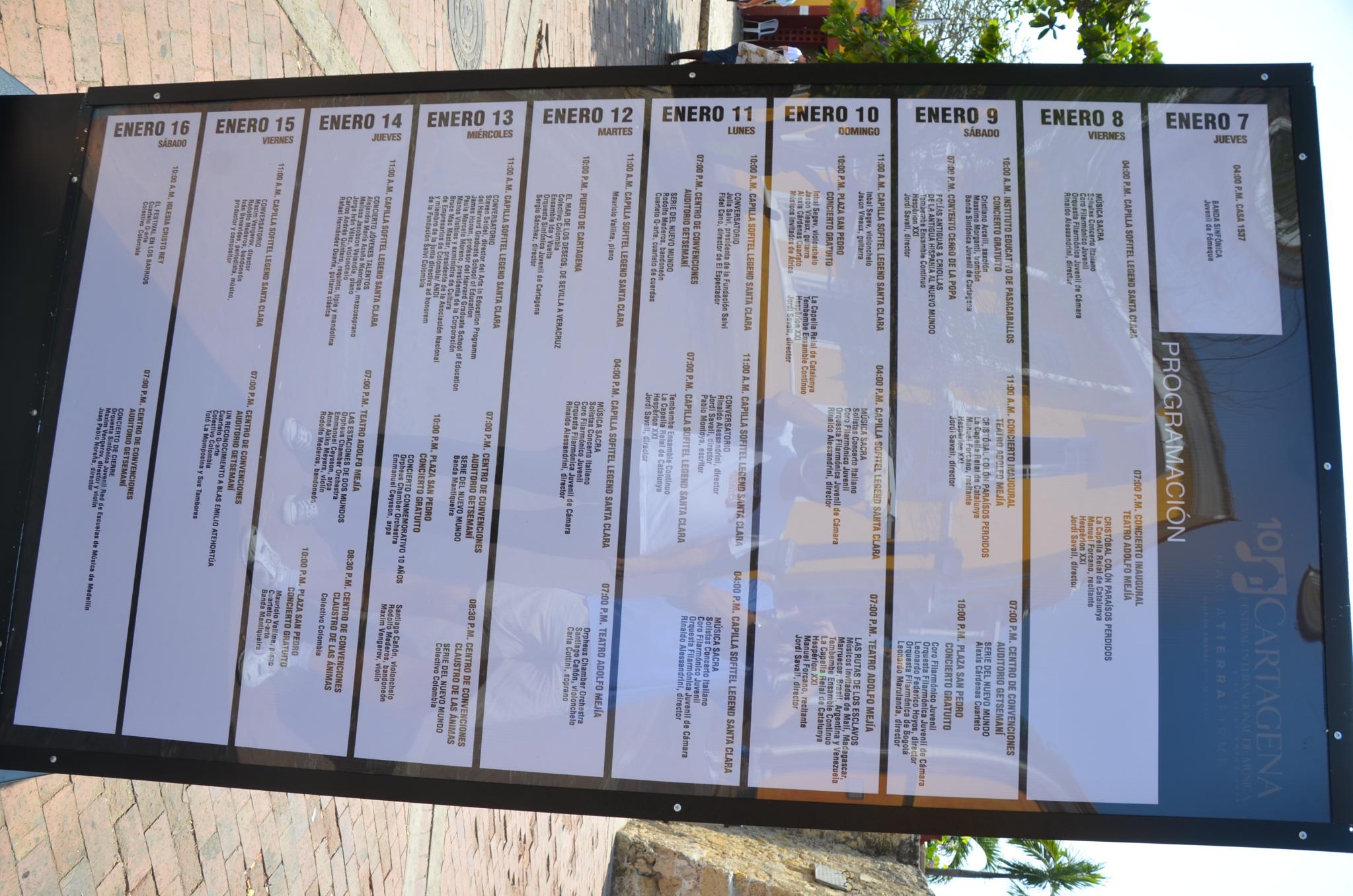
What it’s for: set times, stage changes, venue maps, announcements, and (often) ticket entry details. When anything shifts, these are typically the first place updates show up.
- Pros: most likely to be current; reduces “I thought it started at…” problems.
- Cons: can be slow on crowded Wi‑Fi; not all apps support offline schedules well.
2) Transit + mapping apps (for arrival, parking, and walking routes)
What it’s for: turning “we’ll just figure it out” into a realistic arrival plan. Build a route that includes buffer time for security lines and the inevitable late gate announcement.
- Pros: fast reroutes; accessibility options; route saving.
- Cons: battery drain; GPS can struggle with dense crowd movement—download offline maps when possible.
Music streaming services
Streaming apps help you show up ready. The goal isn’t “listen to everything”—it’s to reduce the chance you waste prime festival time on acts you don’t end up loving.
3) A streaming app for pre-festival listening
What it’s for: set prep (discover the artists you’ll see), mood prep (build a “warm-up” playlist), and fast navigation (find the track that’s stuck in your head).
- Key features to look for: offline downloads, playlist sharing, quick search, and reliable recommendations.
- Festival use tip: download your shortlist playlist before you head in so you’re not stuck at “no signal” while waiting for friends.
To ground your choices in platform capabilities, check official offline and app guidance from the service providers—start with Spotify Support, Apple Support, or YouTube Music Help (all tracking links included).
Social media and networking apps
Social apps aren’t just for posting. At festivals, they’re a practical communication layer for coordinating meeting points and swapping recommendations.
4) A messaging app for quick “we’re here” coordination
What it’s for: sending a location pin, a “meet at X” message, or a two-second note when one of your group detours for food or merch.
- Pros: reduces confusion; supports quick, low-effort check-ins.
- Cons: group chats get noisy; decide meeting points in advance so you don’t debate live.
5) A “network for music” app or feature (short-form updates, artist follows, community posts)
What it’s for: finding last-minute set clips, crowd reactions, and new artist recommendations—without needing a full deep dive.
Use it like a filter: follow artists you already like, plus a small set of stages/venues. Avoid doom-scrolling—your goal is discovering what’s next, not living inside the feed.
Conclusion
The best music apps for festival goers are the ones that protect your plan, improve your listening, and help you regroup when plans change. Start with the official schedule layer, add reliable navigation, use streaming for pre-festival readiness, and keep one messaging channel for fast coordination.
Mini checklist before you go:
- Save offline playlists you’ll actually use.
- Choose one meeting point per day (and confirm it before the crowd gets dense).
- Bookmark the official schedule page/app on your home screen.
- Charge your device (or plan a battery pack) so you’re not troubleshooting in the middle of your favorite set.
If you want more festival-ready guidance, explore the site’s blog and start with broader planning resources on Guieiro Musical.
Note: app features change by region and festival. Verify entry rules, offline availability, and safety basics before relying on any single app during an event.