The most important part of a festival day is usually the part nobody sees. Before a single guest walks through the gates, the day has already been shaped by sound checks, patch lists, radio calls, stage cues, equipment handoffs, and a long series of small decisions that make the public experience feel simple. That simplicity is earned.
If you have ever wondered why one festival feels calm while another feels chaotic, the answer often starts long before opening time. What is the sound team checking? How do crews keep gear moving without blocking the stage? Who decides when a set can start if a late truck or weather delay changes the plan? And what does timing have to do with the way an audience settles in once the gates open?
This article takes the practical view. The work before opening is not glamorous, but it is the difference between a show that holds together and one that constantly reacts to avoidable problems. For a wider set of festival guides and listening notes, the blog collects the newer articles, while the home page gives the main starting points on the site.
Two reference points help frame the picture. First, the basics of noise and exposure management remind us that sound levels are not a casual afterthought. Second, a plain-language explanation of a sound check shows why the opening hour is usually spent listening, adjusting, and listening again. By the end, you should have a clearer sense of how preparation, crew coordination, and audience timing fit together.
Terms worth keeping straight
Festival coverage often uses words that sound interchangeable, but the crew does not treat them that way. A useful distinction saves a lot of confusion.
| Term | What it means | Why it matters before gates open |
|---|---|---|
| Soundcheck | A fuller test of instruments, vocals, monitors, front-of-house mix, and stage communication. | It helps confirm that the audience will hear a balanced show, not just working equipment. |
| Line check | A quick signal test to confirm that each input reaches the console. | It is faster than a soundcheck and often used when time is tight. |
| Run-of-show | The working schedule for the day, including set times, breaks, and handoffs. | It keeps all departments aligned when the day is moving quickly. |
| Changeover | The period when one act leaves and the next act prepares the stage. | Good changeovers protect the schedule and reduce visible delay for the audience. |
| Call time | The time when a crew member, artist, or vendor is expected to report. | Missed call times can create pressure that spreads through the rest of the day. |
| Stage plot | A map showing how gear, musicians, and technical stations are arranged. | It lets the crew prepare the stage in the right order instead of guessing. |
Those terms sound technical because they are. They are also the vocabulary of order. The more carefully they are handled, the less the public has to think about them later.
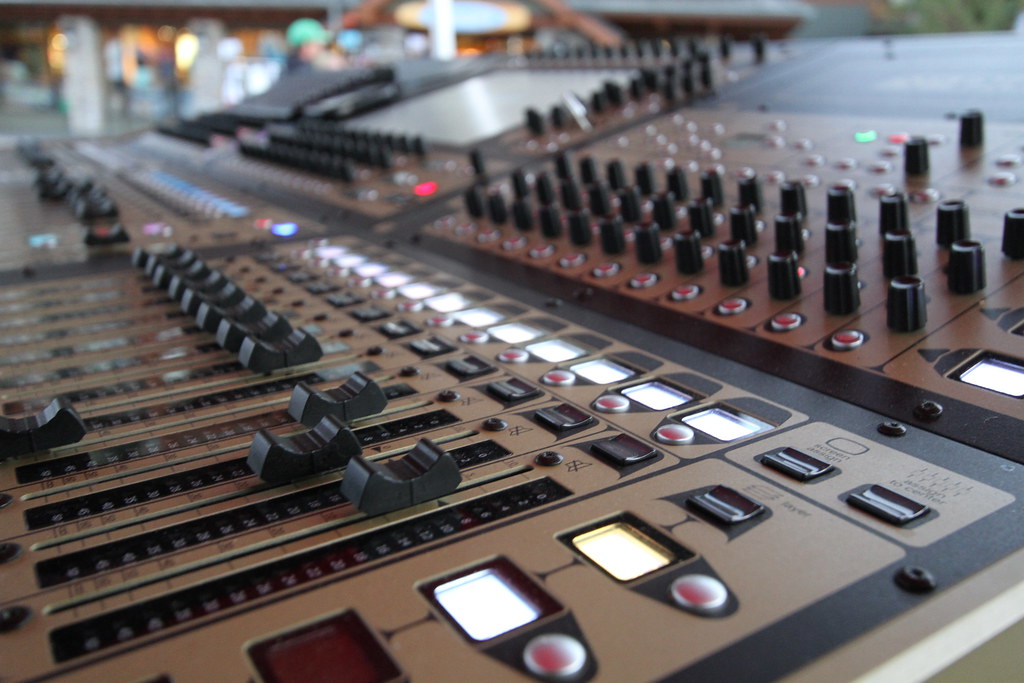
Before gates open: soundcheck and stage readiness
The opening hours of a festival often begin with power, cables, and silence. A crew may be testing wireless channels, checking monitor wedges, confirming microphones, and making sure the front-of-house mix is clean. The goal is not to make the band sound perfect in a studio sense. The goal is to make the live system predictable enough that the performance can happen without surprise.
A full soundcheck usually moves in layers. First comes the basic signal path: does the microphone work, does the guitar reach the console, does the vocal line appear where it should? Then comes monitoring, so performers can hear themselves and one another. After that, the mix is refined from the audience side of the stage, where the engineer can judge clarity, balance, and whether certain frequencies are building into feedback. A reliable overview of stagecraft helps explain why these adjustments are not side tasks; they are part of the show itself.
On a well-run day, the stage does not simply “look ready.” It is checked for the details that keep performance moving:
- microphones are labeled so the right channel can be found quickly;
- power distribution is confirmed before expensive gear is switched on;
- monitor mixes are built so performers do not waste the first song asking for changes;
- spare cables, batteries, and adapters are close at hand;
- clear walkways remain open so crew members can move without crossing the wrong part of the stage.
When time is short, teams may use a line check instead of a fuller soundcheck, especially if the artist is already familiar with the venue or if the schedule is tight. That is not a shortcut in the careless sense. It is a judgment call made under time pressure. The difference between a line check and a soundcheck matters because it tells you whether the team is confirming signal or shaping the actual listening experience.
There is also a safety side to this work. Sound levels should not be treated as a vague artistic preference. The point is not only volume; it is control. OSHA’s guidance on noise exposure is a reminder that crew members, performers, and anyone working near amplified systems are dealing with a real workplace issue. A soundcheck is one of the places where that control begins.
In practical terms, a good soundcheck usually ends with confidence, not excitement. That is the right result. If the audience never notices how much was tuned before opening time, the work was probably done well.
Backstage logistics: gear, set changes, and crew flow
If soundcheck is the ear of the day, logistics is the spine. Load-in starts with the physical movement of cases, instruments, risers, backline, lighting parts, and other gear that the audience will only see in finished form. Every item has to move through a path that works for people, not just for trucks. That means the crew has to think about entrances, staging zones, cable routes, storage, and the order in which pieces can safely appear on stage.
The best backstage systems are built around predictability. Cases are marked so they can be identified at a glance. Different departments know which walkie channel to use. A stage manager or production lead keeps the flow moving so that one department does not accidentally block another. The article on stage manager is useful here because it captures the central idea: someone has to keep the whole machine synchronized, not merely busy.
Common backstage tasks include:
- receiving and checking the first deliveries of the day;
- confirming that the stage plot matches the actual equipment on site;
- coordinating when drums, amplifiers, or keyboards are moved into place;
- testing radios and backup communication methods;
- keeping the changeover path clear so the next act can move in without delay.
That last point matters more than it sounds. A successful changeover is rarely dramatic from the audience side. It looks like a band finishes, a crew moves efficiently, and the next set starts almost on time. But behind that apparently simple transition is a sequence of small judgments about who moves first, which cases stay onstage, and what can wait until after the crowd is settled.
Some crews now keep run sheets, equipment notes, and handoff lists in a lightweight web app generator rather than scattering the same information across spreadsheets, text threads, and paper printouts. The exact tool is less important than the principle: when everyone can see the same live checklist, there is less room for a missed cue to become a visible problem.
That is especially useful when there are multiple stages or overlapping teams. A quiet change in one area can affect a lighting reset in another. A truck arriving late can alter the order of unloading. The best backstage flow treats these events as normal variables, not emergencies, and keeps a spare plan ready when the first one slips.
There is a reason experienced crew members often look calm while working quickly. They are not trying to be theatrical about calmness. They are conserving attention. The fewer unnecessary decisions they have to make at the gate-opening hour, the more of their energy can go toward the moments that actually need judgment.
Programming: how schedules get managed
The public sees a schedule. The crew sees a living document. The difference is subtle until the first delay appears. Then the run-of-show starts to behave less like a poster and more like a conversation among departments.
Programming a festival day means deciding not just when acts appear, but how much buffer each transition needs, which moments can absorb delay, and where the team can safely compress the timeline without creating a larger problem later. The work is usually shared among stage management, production management, technical leads, and artist representatives. A simple description of stagecraft helps here too, because programming is not separate from the physical reality of the stage. It has to fit the space as it exists, not as it looked on the planning sheet.
A strong program usually includes:
- a clear list of set times that can be communicated to staff and vendors;
- buffer windows between acts for equipment movement and checks;
- a short list of people who can approve timing changes quickly;
- a fallback plan if weather, travel, or technical issues shift the order;
- a way to tell the audience what is changing without creating confusion.
Where things often go wrong is not the headline decision. It is the small delay that is not reported early enough. If the crew keeps waiting to mention a technical issue, the problem becomes visible all at once, and then everyone is rushing to solve it in public. Good programming works the other way around. It encourages early reporting, even when the news is inconvenient.
For readers who want a simple vocabulary anchor, the term setlist is useful even when the article is not about song order. A setlist is the internal sequence of the performance; the run-of-show is the wider schedule around it. The two are related, but they answer different questions. One asks what the artist will perform. The other asks when the whole day can safely move.
That distinction matters because festivals rarely fail for one reason alone. They fail through accumulation: a late soundcheck, a slow changeover, a missing battery, a gate issue, and then a schedule that has no buffer left. The schedule is not just a calendar. It is a risk-management tool in plain clothing.
Audience experience: why timing matters
By the time the gates open, the audience is stepping into a version of the day that has already been rehearsed by the crew. If the logistics are sound, the guest sees order before they see effort. They can find the entrance, hear a clear first performance, and move through the site without wondering who is supposed to be where.
Timing shapes that experience in obvious and less obvious ways. Arriving early often means shorter lines, easier wayfinding, and more time to settle before the first crowded period begins. It can also mean catching smaller sets that establish the tone for the rest of the day. When the schedule is tight, the first hour is doing a lot of quiet work: it teaches the crowd how the venue behaves.
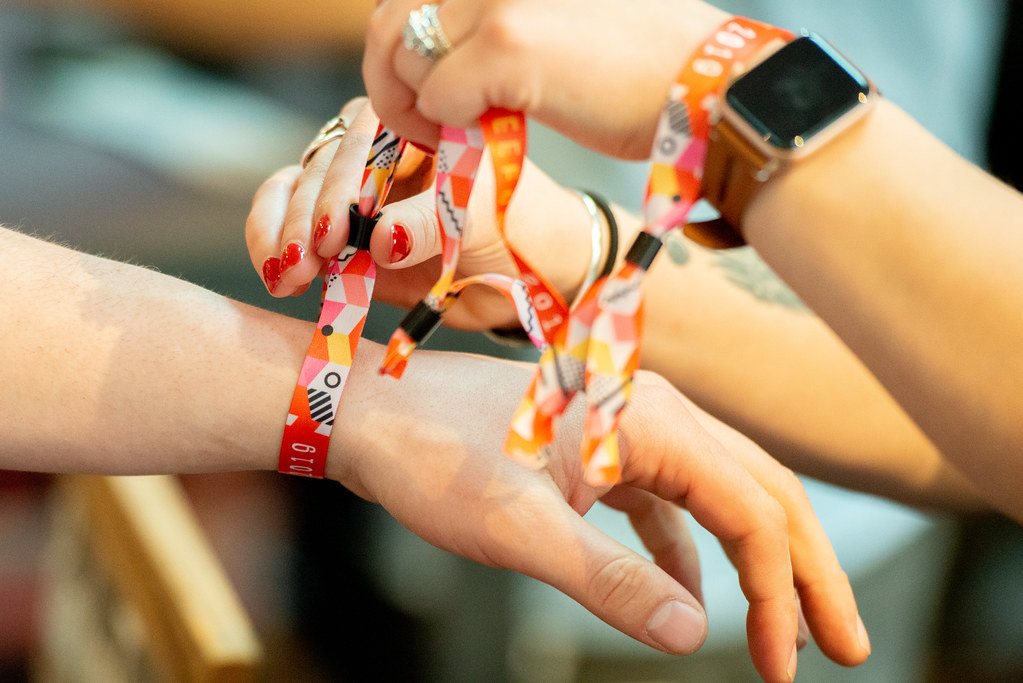
Festival timing also affects comfort. If the first hours are rushed, people spend more energy navigating than listening. If the opening flow is smooth, they have room to orient themselves: where the restrooms are, where water stations are located, which paths are crowded, and which side of the stage feels best for the first set. Small details become large if the venue is full enough, fast enough, or hot enough.
That is why audience management is part of festival management. A good crowd experience is not an accident. It is built from entrance design, signage, staged timing, and the discipline to keep the public away from active work areas. The more confidently the crew handles those tasks before gates open, the less the audience has to think about infrastructure while the music is happening.
There is also a psychological effect. When guests see a venue that already feels organized, they tend to trust the day more quickly. They read the space as intentional rather than improvised. That trust can make a real difference if the festival later has to announce a delay or adjust a set time. People are more patient with a system that already feels coherent.
How to be a considerate attendee
Attendees do not control the run-of-show, but they do affect how well it holds. The simplest way to help a festival run well is to respect the working space around you. Crew members are not part of the scenery. They are the people keeping the scenery from falling apart.
A short set of practical habits goes a long way:
| Good habit | Why it helps |
|---|---|
| Arrive with time to spare. | It lowers pressure at the gate and reduces the chance that you rush through a crowded entrance. |
| Follow posted routes and barriers. | Those lines are usually there to separate the public from active crew movement. |
| Keep aisles, stairways, and access lanes clear. | That space is needed for safety, visibility, and fast movement if something changes. |
| Read schedule updates rather than relying on rumor. | It keeps small changes from becoming avoidable confusion. |
| Be patient during changeovers. | A minute of patience is usually cheaper than ten minutes of disruption. |
If you are close enough to see crew activity, the rule is simple: do not make work harder for the people carrying it. That means stepping back from equipment paths, avoiding flash photography where it may distract performers or crew, and not trying to cross a restricted area because it looks faster. It rarely is.
Another useful habit is to think in terms of timing, not entitlement. The schedule exists because many groups need the same space in sequence. When an attendee understands that, the festival feels less like a series of personal transactions and more like a coordinated public event. That change in perspective may sound small. In practice, it makes the day easier for everyone involved.
What to look for when you arrive early
Arriving early does not just mean standing in a shorter line. It lets you read the venue before it fills with motion. You can see where the entrances are clustered, where staff are directing flow, and which areas are going to become congested later. You can also hear the venue before the crowd rises to its full level, which is often the only moment when the atmosphere is quiet enough to notice how the space is built.
Here is a simple way to use that first half hour:
- identify the nearest exits, toilets, and water points;
- check where the main sound positions are from your preferred viewing area;
- look at how people are being routed between stages;
- notice whether the venue has enough signage to make the next hour easier;
- watch how the crew handles the first public wave, because that tells you a lot about the day’s rhythm.
If the event is open enough, you may even catch the last traces of backstage movement before everything becomes performance. A cable reel disappears. A microphone stand is handed off. A stage manager gives a final nod. That is the moment when the hidden work and the visible show meet each other.
For some readers, the useful takeaway is not just how a festival works, but how to watch one better. Early arrival gives you a clearer picture of what has been built for you. It also gives you a better chance to choose a comfortable position before the crowd settles. The first impression of the day often comes from the first ten minutes, not the headline act.
And if you ever notice how smoothly a festival moves, it is worth remembering that the smoothness is usually a result, not a starting point. Behind every calm opening are rehearsed handoffs, watchful timing, and a crew that has already solved most of the day’s problems before the audience sees them.
Conclusion
A festival day does not begin at the gate. It begins with testing, organizing, and resetting until the crew can trust the schedule enough to open it to the public. Soundchecks make the stage reliable. Backstage logistics keep movement sane. Programming protects the day from small delays turning into large ones. Audience timing turns all of that invisible work into a better experience.
The practical lesson is straightforward. If you want to understand a festival, do not only watch the headline set. Watch the hour before opening. That is where the day reveals its structure. It is also where a good crew proves that what looks effortless from the outside is usually the product of a lot of disciplined work behind the scenes.
For more guides in this series, return to the blog or start again from the home page. The public part of the day gets the applause; the private part gets it ready.