Why Festival Technology Matters More Than Ever
Festival tech used to be mostly background plumbing. Now it shapes the first and last five minutes of the whole day, which is where patience goes to die in public. When tickets, entry, maps, payments, and alerts all work together, the experience feels smoother for attendees and easier to manage for organisers.
That shift is showing up in current coverage from Ticketmaster’s festival materials, which highlight digital discovery and onsite operations, and in GSMA’s coverage of large live events, which shows how connectivity and digital services are becoming part of event infrastructure rather than a nice-to-have extra.
For fans, the practical question is simple: does the tech reduce friction, or just add another app icon you will delete later? The best festivals in 2026 tend to focus on a few basics that actually help.
- Digital ticketing that is quick to scan and hard to lose.
- Cashless payment options that keep queues moving.
- Reliable connectivity so alerts and schedules do not fail at the exact wrong moment.
- Clear app-based communication without spamming everyone into silence.
For background on broader event planning, the About page explains how this site approaches practical music coverage, and the blog index is the best place to browse related guides.
Digital Ticketing and App-Based Entry: Faster Access, Fewer Bottlenecks
Digital ticketing is now one of the clearest quality-of-life upgrades in live events. Instead of digging through email threads, screenshots, and half-charged phones, most attendees can open a ticket in an app, scan in, and get on with the day. When it is implemented well, it reduces gate congestion and lowers the chance of a long queue becoming the headline act.
Ticketmaster’s 2026 festival guidance on secure digital ticketing for festivals points to the same practical benefits: faster entry, easier ticket validation, and better support for onsite operations. That does not mean every festival uses the same system. A small regional event and a huge multi-day festival will usually have very different budgets, staffing, and network capacity.
What fans should look for:
- A clear backup path if the app fails or signal drops.
- Simple instructions before arrival, not a scavenger hunt.
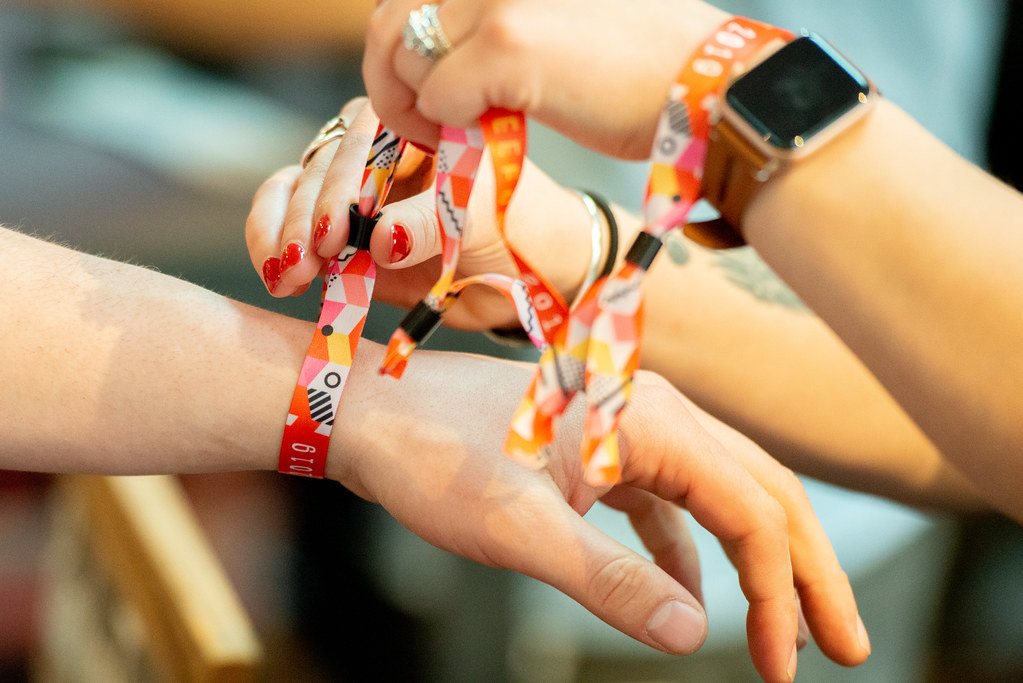
- Entry lanes or wristband flows that match the size of the crowd.
If a festival says it is “app-first” but cannot explain what happens offline, that is not innovation. That is a future queue with branding.
Cashless Payments and Onsite Commerce: Convenience vs. Friction
Cashless payments are useful because nobody wants to stand in line for a drink while someone ahead of them discovers their card is in the wrong jacket and their phone battery is in witness protection. Tap-to-pay systems can speed up food, drinks, merch, and transport add-ons, and they often help organisers reconcile sales more cleanly at the end of the night.
The trade-off is access. Not every attendee wants or can use a fully cashless system, and not every venue has perfect connectivity. A good festival usually offers clear alternatives, limited cash support where required, or top-up options that do not involve a half-hour detour. For a useful comparison of the logistics side, see this Pollstar report on Shambala’s operational approach, which shows how sustainability and operations are increasingly tied together.
Practical advice for festival-goers:
- Charge your phone before you leave, then charge it again. Events are battery purgatory.
- Bring a payment card you know works in contactless mode.
- Check whether the festival supports wristbands, wallet apps, or card-only purchases.
- Keep a small backup payment method if the event allows it.
5G, Connectivity, and Live-Event Infrastructure: What Fans Notice and What They Don’t
Most people do not care about spectrum allocations until their messages fail exactly when they are trying to meet friends at the main stage. That is the real test of event connectivity. Stronger 4G and 5G networks, better temporary mast deployments, and more careful traffic management can improve everything from safety alerts to meet-up logistics.
GSMA’s reporting on big-event connectivity, including its Glastonbury 2025 coverage, shows how organisers and network operators increasingly coordinate around crowd density, payment terminals, and real-time communications. The best outcome is invisible: people just notice that texts send, maps load, and alerts arrive before the problem becomes a queue or a safety issue.
What fans actually experience when connectivity is good:
- Faster ticket scans and fewer failed payments.
- Better live updates about stage changes or weather delays.
- More reliable location sharing with friends.
- Cleaner support for accessibility services and operations staff.
Do not assume “festival Wi-Fi” will solve everything, though. Public networks at crowded events are a bit of a nightmare. A decent plan still includes offline screenshots, meeting points, and a battery bank.
Festival Apps: Schedules, Alerts, Maps, and Personalized Updates
Festival apps can be genuinely useful when they are built around the attendee’s day rather than the organiser’s dashboard. The best ones combine line-up browsing, set reminders, interactive maps, food and bar locations, accessibility information, and targeted alerts when something changes.
That is why app-based discovery is showing up in more festival planning material. It helps organisers communicate with different audience segments without flooding everyone with the same message. But the app still has to be readable and fast. No one wants to open an event app and feel like they are testing an abandoned prototype.
Good festival app features include:
- Personalised schedule reminders.
- Real-time stage change alerts.
- Maps that work cleanly on small screens.
- Clear accessibility and transport information.
- Simple account recovery if login gets messy.
If you are deciding whether to use one, the rule is simple: install the app before you travel, turn on notifications for only the updates you care about, and make sure your phone is not one rainstorm away from retirement.
Sustainability and Operations: How Tech Can Reduce Waste and Improve Planning
Technology can also help festivals operate more cleanly. That includes less paper printing, better capacity planning, smarter water and waste management, and more accurate forecasting for staffing and supply runs. The point is not to make the event look futuristic. It is to reduce waste and avoid preventable bottlenecks.
Coverage of festivals such as Shambala suggests that operational choices are increasingly tied to environmental goals, not treated as a separate box to tick. For a tech-forward event, that can mean digital tickets instead of printed stock, better data on peak demand, and fewer emergency truck runs because planners can see patterns earlier.
From a visitor perspective, sustainability tech is most useful when it is quiet and practical:
- Less paper at entry and around the site.
- Smarter refill and waste points that are easier to find.
- Better transport information to reduce car dependency.
- More accurate communication so people do not wander across the field for nothing.
That is not glamorous, but neither is carrying three paper maps in the rain.
What to Look for When Choosing a Tech-Forward Festival
Not every event needs the most advanced setup. A boutique weekend with limited infrastructure may prioritise simplicity over bells and whistles, and that is fine. The question is whether the technology choices match the event size and the audience.
Before buying a ticket, check for:
- Clear ticket delivery and entry instructions.
- Payment options that fit your needs.
- App reviews or attendee feedback about reliability.
- Network and accessibility support if you rely on either one.
- Practical communication around weather, set times, and safety.
If you want more context on how to evaluate event information generally, the news category is a useful place to explore related updates and festival coverage.
The Likely Next Step: Smarter, More Connected Festival Experiences
The next wave of festival tech is probably less about flashy novelty and more about systems that talk to each other better. That means smoother integration between ticketing, access control, fan messaging, transport updates, and onsite services. In practice, the winner is not the event with the longest feature list. It is the one that makes the day feel lighter.
For festival-goers, the best advice is still refreshingly boring:
- Download the app early.
- Save your ticket offline if the system allows it.
- Know the backup plan for payments and entry.
- Assume your battery is a limited resource, because it is.
That is where 2026 is heading: not a festival run by technology, but one that works better because the underlying systems are finally doing their job.
If you have a preferred setup at festivals—ticket apps, wristbands, cashless checkout, or old-fashioned queue patience—feel free to share it through contact. I am curious which systems people actually find useful once the music starts.