How to Experience Music Festivals on a Budget
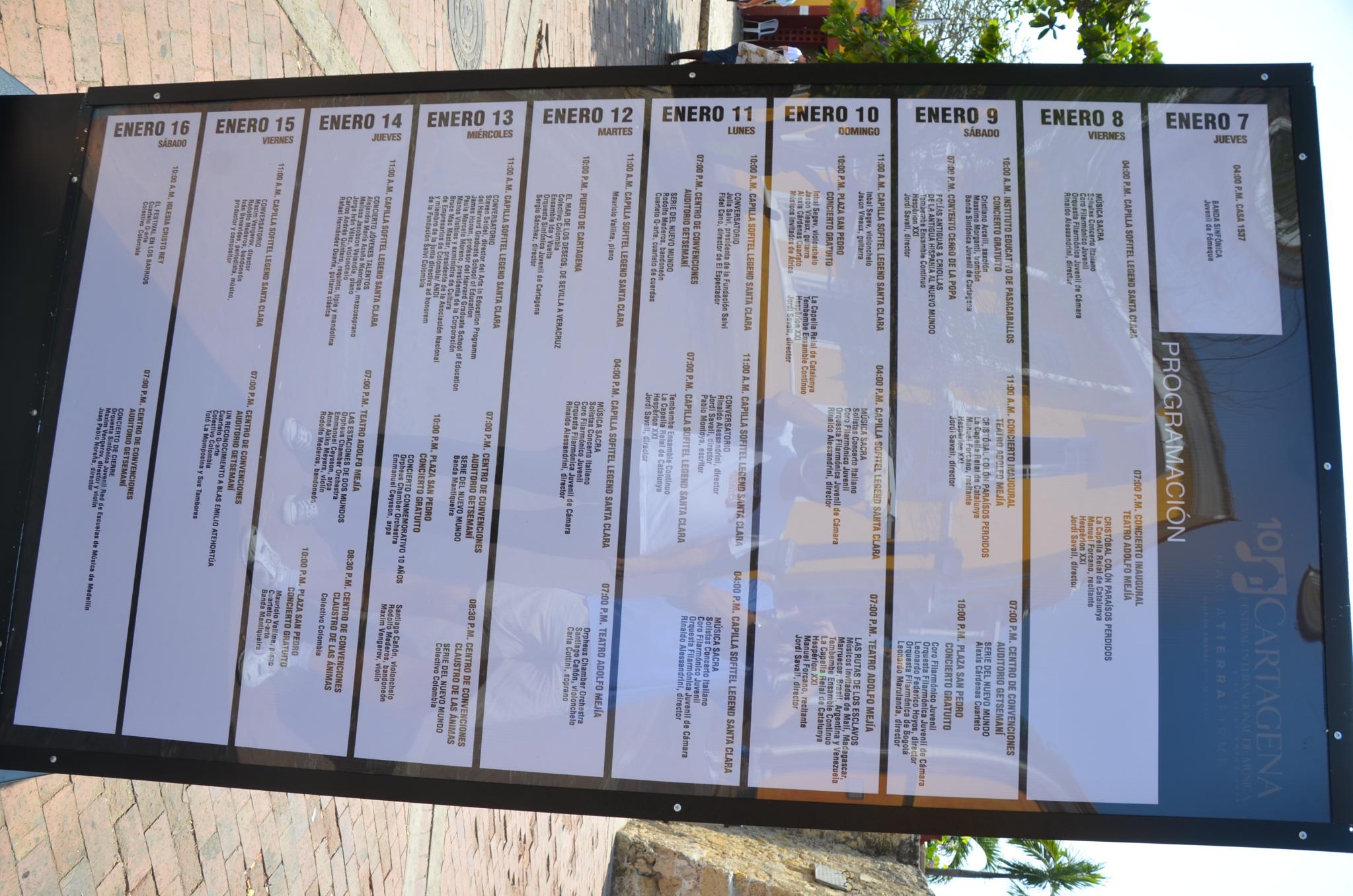
You do not need a platinum wristband to have a great festival weekend. The trick is to treat the trip like a small system: tickets, travel, food, and downtime each get a budget before you leave home. That is less glamorous than impulse spending, but it keeps the music from getting buried under receipts.
If you are deciding which events are worth your money, start with the festival’s official site and lineup pages, then compare dates, ticket tiers, and add-on fees. For broad planning, resources like budget travel tips from NerdWallet and the FTC’s travel scam guidance are useful reminders that the cheap option is only cheap if it stays honest.
1. Find the cheapest ticket that still fits your goals
Festival budgets usually break in one of three places: buying too late, buying too much access, or buying something that sounded “practical” and turned out to be decorative. General admission is often enough if your goal is to see a few favorite acts, explore the grounds, and leave with your hearing and wallet intact.
- Buy early when early-bird pricing is available.
- Compare single-day passes with full-weekend passes.
- Check whether resale platforms add service fees large enough to erase the bargain.
- Skip VIP unless the specific extras matter to you.
For a reality check on ticket fees and refund terms, the Federal Trade Commission’s ticket guidance is worth skimming before you click buy.
2. Cap your food costs before the festival starts
Festival food can be fun, but it is rarely cheap. A sensible approach is to eat a real meal before you enter, pack what the event allows, and budget one or two treat purchases instead of treating every meal like a souvenir.
Try this rule: pay for convenience once, not all day. Water refill stations, a small snack bag, and a solid breakfast can cut the number of emergency purchases in half. If the event allows sealed snacks or a refillable bottle, use that. If not, budget for hydration first; everything else follows after you are not hungry.
3. Keep lodging simple and close to the action
Hotels near popular festivals often behave like they have discovered oil. That is why budget travelers usually look at shared rooms, camping, shuttle routes, or lodging a little farther out with a clear transit plan.
When you compare options, think in total trip cost, not nightly rate. A slightly cheaper hotel that requires expensive rideshares can cost more than a closer place with a higher room rate. If you need a framework, Booking.com’s budget travel advice and the music festival overview on Wikipedia are decent starting points for understanding the usual formats and tradeoffs.
4. Use the free parts of the festival on purpose
The main stage gets the headlines, but the free value often lives in the edges: opening sets, local acts, art spaces, sponsor activations, side stages, and moments when you are simply people-watching between shows. Those experiences cost nothing extra once you are inside.
Make a rough plan before the day begins:
- Pick your must-see sets.
- Leave open blocks for wandering.
- Use downtime for rest instead of shopping your way into exhaustion.
- Take photos, but do not turn every break into a merch mission.
If you want to stay social without overspending, choose one shared activity with friends—meeting for a set, a picnic, or a pre-show hang—rather than repeatedly buying something just to keep the group together.
5. Build a festival budget that survives contact with reality
A good budget has categories, ceilings, and a small emergency buffer. If you want a simple starting point, break the trip into ticket, travel, lodging, food, and extras. Then assign a fixed number to each one before you go.
| Category | Budget move | Why it helps |
|---|---|---|
| Tickets | Choose the smallest pass that fits your plans | Prevents overbuying access you will not use |
| Food | Set a daily cap plus a treat allowance | Keeps impulse spending visible |
| Lodging | Compare total transport cost, not just nightly rate | Stops cheap-looking rooms from becoming expensive trips |
| Extras | Carry a small cash or card buffer | Covers the one thing you did not predict |
6. Know when to skip the obvious money traps
The budget leak usually comes from tiny decisions repeated all day: another drink, another souvenir, another ride, another premium add-on because the line looked shorter. None of these are evil. They are just small systems with excellent marketing.
If an upgrade does not improve your core goal—hearing music, seeing your favorite artists, and enjoying the day—leave it behind. The best festival memory is usually a set that surprised you, not the receipt that proved your spontaneity.
Conclusion
Festival budgeting is less about deprivation and more about choosing what matters before the event starts. Buy the right ticket, control food and lodging costs, use the free parts intentionally, and keep a small cushion for surprises. Done well, the budget disappears into the background, which is exactly where it belongs.
For more practical planning ideas, see the blog index or return to the home page.