Galician music didn’t arrive fully formed. It was built—century by century—by geography, migration, instruments that refused to disappear, and communities that turned songs into a kind of memory you can dance to.
If you’re searching for this topic, you probably have questions like: How did traditional Galician sounds influence modern styles? What changed with radio, TV, and recording? And who actually shaped the scene when it went from regional to internationally heard?
For a useful baseline on how folk traditions evolve under modern pressures (and why that matters for understanding “what changed”), the Smithsonian’s perspective on folk culture as living tradition is a good starting point: https://www.si.edu/spotlight/folkways/folkways-living-tradition?utm_source=guieiro.com.
By the end of this article, you’ll have a clear timeline—from older regional influences to today’s modern adaptations—plus a set of artists and listening pathways you can use immediately.
Table of contents
- Introduction to Galician music
- Historical influences
- Modern adaptations
- Key artists and their contributions
- Conclusion
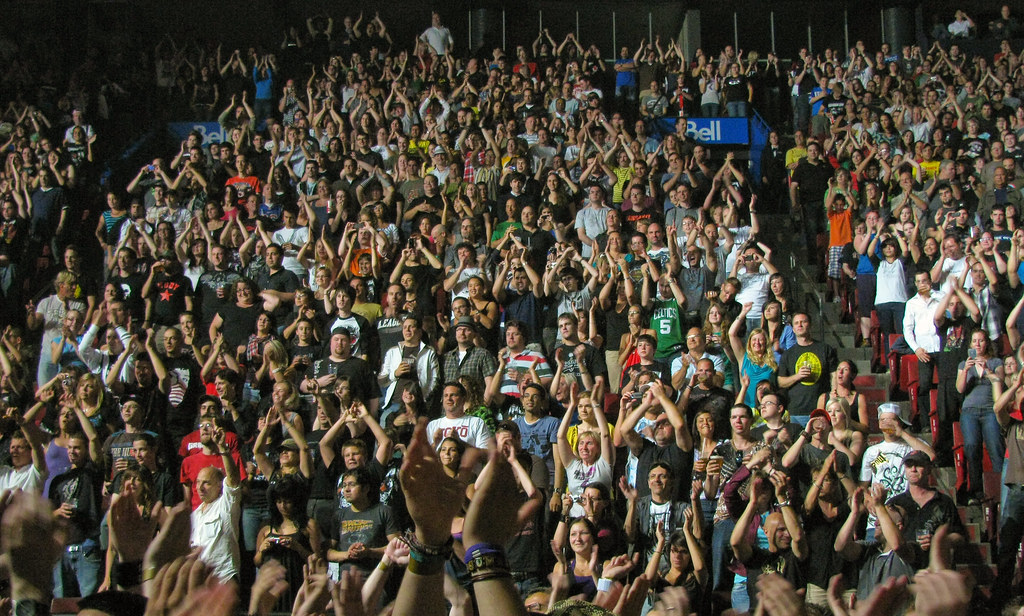
Quick definition: when people say “Galician music,” they’re usually talking about a shared musical culture in Galicia—shaped by local languages, dances, instruments, and later by recording and broadcast. The exact mix varies by decade, region, and community.
Introduction to Galician music
Galicia’s music tradition has always been practical. It’s built for gatherings: celebrations, harvest rhythms, and nights when people want energy and shared identity. That doesn’t mean it stayed the same. The scene adapted as new media arrived—especially as audiences gained access to recordings and touring circuits.
Two realities help explain why the evolution looks “layered” rather than linear:
- Regional identity is sticky (language, dance, instruments), even when musical styles change.
- New technologies expand the audience, which changes what musicians can reach and what listeners expect.
For a broader framework on how modern communication shaped music distribution, Wikipedia’s overview of radio broadcasting and music distribution?utm_source=guieiro.com is helpful as a general reference (not a Galician-only source, but useful context).
Historical influences
Instead of pretending there’s one “origin moment,” it’s more accurate to treat Galician music as a conversation among influences: local folk practices, neighboring European styles, and (later) global pop/rock movements.
1) Dance and communal performance
Many traditional forms are closely tied to dance. That matters because dance creates structure: tempo, phrasing, and crowd participation patterns. When musicians carry these structures forward, you often hear recognizable DNA even inside modern arrangements.
2) Instruments as cultural anchors
Instrument choice is a form of identity. When older instruments remain in use, they act like “time capsules” inside new songs—keeping timbre and melodic behavior recognizable, even after production upgrades.
3) From oral tradition to recorded circulation
Once music started moving through recordings and broadcasts, the “default audience” expanded. That can be good (more listeners, more preservation), but it also changes incentives: musicians learn to perform for repeat listening, radio formats, or the expectations of festival circuits.
When you want a general reference for how folk traditions function and keep evolving, UNESCO’s definition of intangible cultural heritage?utm_source=guieiro.com helps frame the idea: living heritage is actively recreated.
Modern adaptations
Modern Galician music doesn’t replace tradition—it reframes it. The most common adaptation pattern is: keep core identity signals (language, rhythm, instrument tone, local storytelling) while changing production style, song structure, and genre blending.
1) Folk revival energy with contemporary production
In many cases, modern artists bring folk elements into rock, pop, or electronic contexts. The goal isn’t museum authenticity; it’s relevance. Expect cleaner studio mixes, expanded harmony, and arrangements that work on streaming playlists and modern stages.
2) Festivals as “translation engines”
Festivals don’t just entertain—they standardize discovery. They turn “local” into “curated,” help audiences compare artists side-by-side, and give musicians a chance to iterate based on real crowd feedback.
If you want a practical way to follow Galician releases and events without losing track, start with the site’s onboarding guides: Guieiro Musical homepage and the blog index.
3) New audience pathways (videos, clips, and short-form discovery)
As video platforms became a major discovery channel, artists learned to package performance. That shifts emphasis toward visually engaging live moments and instantly recognizable hooks—while still retaining cultural signals for listeners who want “the real thing.”
Key artists and their contributions
Galician music’s evolution is best understood through people who cross boundaries—between tradition and contemporary scenes, between regional identity and wider circulation.
| Artist / collective | What they’re known for | Why they matter to the evolution |
|---|---|---|
| Uxía | Bringing traditional Galician song into modern listening spaces | Helps demonstrate how vocal tradition and narrative can survive updated production |
| Suso Vaamonde | Artist-driven folk/pop transformations | Shows the “bridge” role: carrying older aesthetics into contemporary songwriting |
| Milladoiro | Traditional repertoire shaped by ensemble arrangements | Illustrates ensemble discipline as a preservation and evolution mechanism |
| Procesión / Carlos Núñez circle | Modern performance platforms for Galician sound | Demonstrates how high-visibility performances can extend audience reach |
Note: the table is a starting map, not an exhaustive history. If you’re exploring, pick one artist per “era” (traditional-forward, revival-forward, and modern cross-genre) and build a playlist around their collaborations and live sets.
For general background on Galician musicians and groups, Wikipedia’s topic pages can help you orient quickly: Music of Galicia?utm_source=guieiro.com and Galician language overview?utm_source=guieiro.com.
Conclusion
Galician music evolves the way good traditions do: not by erasing the past, but by giving it new delivery mechanisms—recordings, festivals, modern production, and video-driven discovery.
If you want a simple action plan for your next listening session:
- Start with a tradition-forward artist to learn the recurring rhythmic and melodic patterns.
- Then switch to a revival or cross-genre act to hear what changes under contemporary arrangements.
- Finally, explore live clips to see how the music behaves when the community is the production team.
When you’re ready to keep track of what’s happening next, use the site’s navigation and categories: Guieiro Musical and /blog/.
Optional next step: If you manage a business and need a content system (publishing cadence + discovery paths + operational tracking), it can be worth mapping your workflows the same way musicians adapt eras: keep the signal, upgrade the delivery. A neutral reference on AI workflow integration is available here: .